Kitchens Prepared for Inspection and Operation
Commercial Kitchen Deep Cleaning in Atlanta for facilities requiring comprehensive grease removal beyond routine maintenance
Grease migrates throughout commercial kitchens during cooking operations, settling on wall surfaces, equipment exteriors, ceiling tiles, and ventilation grilles far beyond the immediate cooking zone. Routine cleaning addresses visible surfaces and high-touch areas but leaves layers of accumulated residue on vertical surfaces, behind equipment, and in other locations that contribute to fire hazards and health code violations. Pristine Hood Vent Services provides commercial kitchen deep cleaning in Atlanta that targets this comprehensive buildup, removing grease from multiple surfaces and equipment simultaneously rather than addressing isolated problem areas.
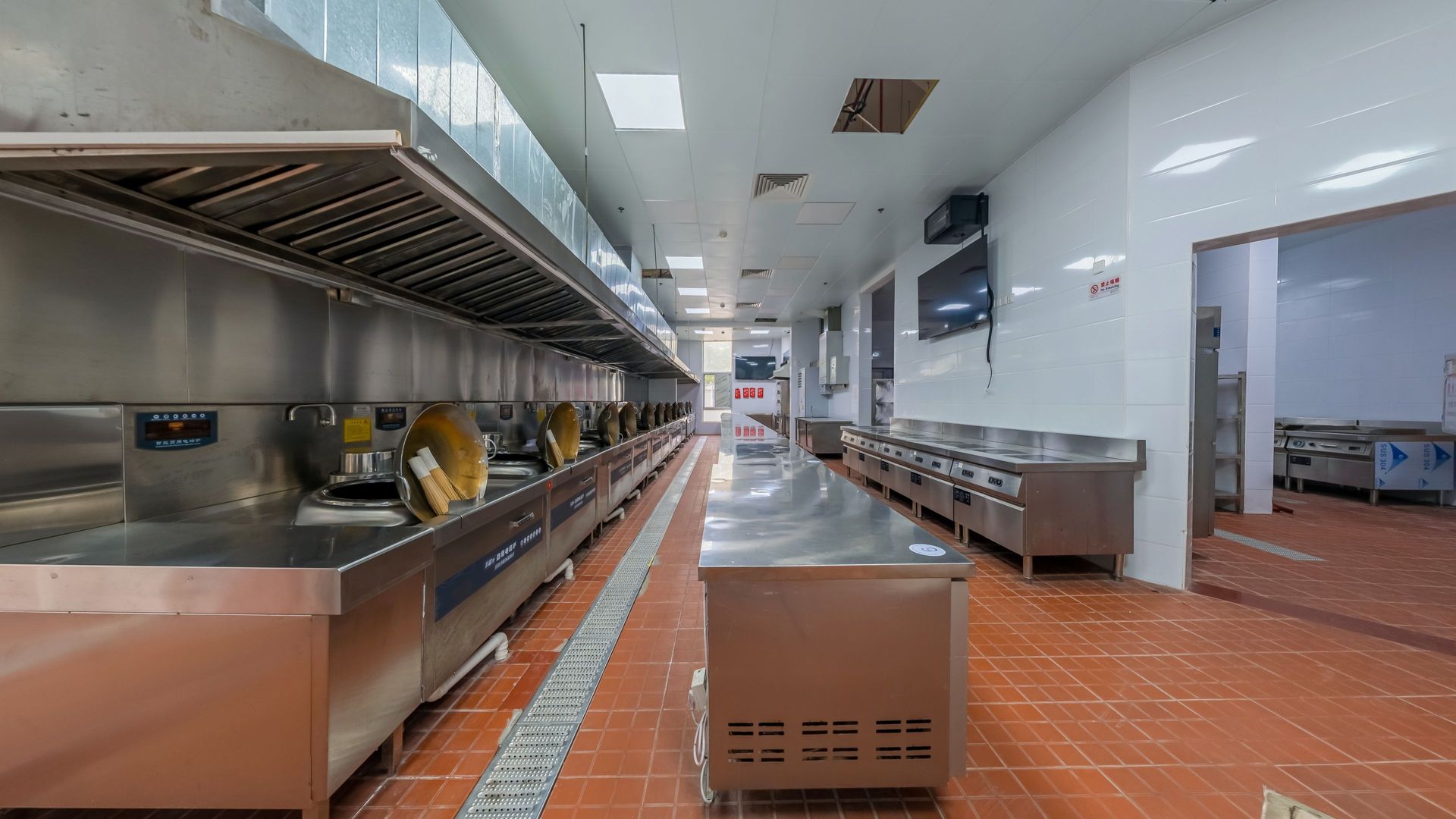
Deep cleaning involves systematic degreasing of all kitchen surfaces including walls from floor to ceiling, equipment exteriors, shelving units, light fixtures, and areas concealed by movable equipment that harbor months or years of grease accumulation. The process differs from daily or weekly cleaning routines by using commercial-strength degreasers and extended contact times that break down polymerized grease layers, followed by pressure rinsing or manual wiping that removes both the cleaning agent and dissolved residues completely.
Request a customized deep cleaning estimate based on your kitchen's size and current condition.
Why Proper Deep Cleaning Requires Systematic Methodology
Effective deep cleaning follows a top-to-bottom sequence, beginning with ceiling surfaces and overhead fixtures so that dislodged grease and cleaning runoff do not contaminate already-cleaned lower surfaces. Walls receive sectional treatment with degreasers applied in controlled areas, allowed to dwell while the chemicals emulsify bonded grease, then removed through scrubbing and rinsing before the solution dries and leaves streaks or residue that attracts new dirt.
After deep cleaning, kitchen surfaces display the original finish color rather than the yellowed or browned appearance caused by oxidized grease layers, and equipment exteriors show manufacturer markings and labels obscured by buildup. The kitchen smells noticeably cleaner because the rancid odor from aged grease deposits disappears once the organic material is removed, and light fixtures illuminate more effectively when grease film no longer blocks bulb output.
Customized cleaning plans account for operational schedules, allowing work to proceed during closed hours or in phases that maintain partial kitchen function during multi-day projects. Facilities preparing for health inspections, ownership transfers, or reopening after renovations particularly benefit from deep cleaning that addresses deferred maintenance and establishes a clean baseline for future routine maintenance programs.
Answers to Frequent Service Questions
Kitchen managers often need clarity about what deep cleaning includes and how it integrates with operational requirements before scheduling this comprehensive service.
What areas does deep cleaning address that routine cleaning misses?
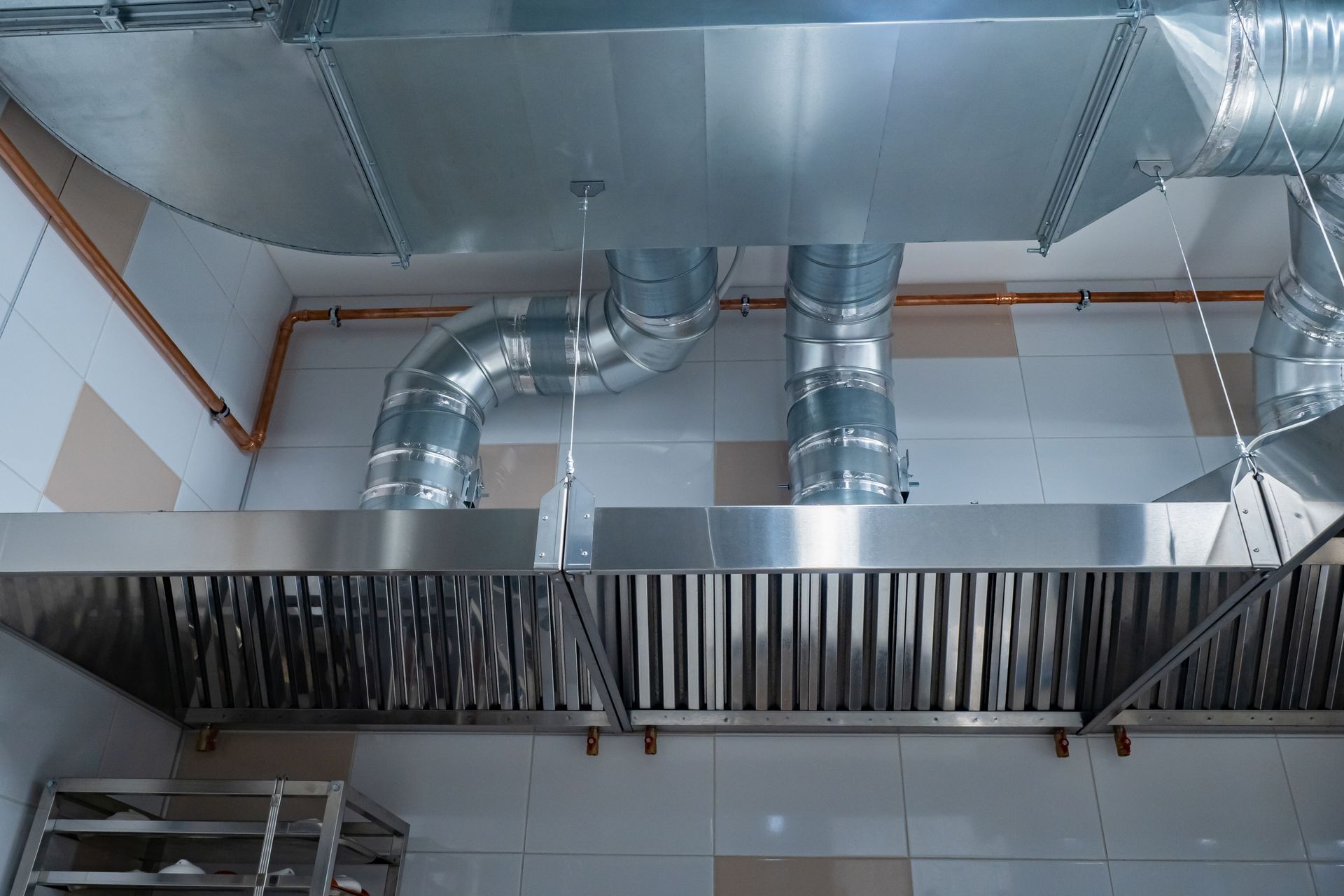
Deep cleaning includes walls above the splash zone that daily crews cannot reach, the spaces behind and beneath movable equipment where grease accumulates unnoticed, ventilation grilles and ductwork openings, ceiling tiles stained by vapor condensation, and equipment surfaces like motor housings and control panels that collect airborne grease but rarely receive attention during shift cleaning.
How long does a typical commercial kitchen deep cleaning require?
A standard restaurant kitchen typically requires eight to twelve hours for complete deep cleaning depending on size and buildup severity, though larger institutional kitchens or facilities with years of deferred maintenance may need multiple service days to address all surfaces properly without rushing critical areas.
Will deep cleaning help pass a failed health inspection?
Deep cleaning removes the visible grease accumulation and sanitation deficiencies that commonly trigger critical violations during Atlanta health inspections, though it cannot address structural issues, equipment malfunctions, or procedural problems unrelated to cleanliness that may also appear on inspection reports.
Can deep cleaning be scheduled around kitchen operations?
Most facilities schedule deep cleaning during closure periods or slow seasons when kitchen access is unrestricted, though phased cleaning that addresses different zones on successive nights allows continuous operation in facilities that cannot close completely for multi-day service.
What preparation does kitchen staff need to complete before service?
Moving portable equipment away from walls, emptying and cleaning storage shelves, and removing food products from areas being cleaned prevents contamination and allows cleaning crews full access to all surfaces without delays spent relocating items during the scheduled service window.
Pristine Hood Vent Services develops cleaning plans that match your facility's operational needs and addresses specific problem areas identified during pre-service evaluation. Arrange an on-site assessment to review your kitchen's condition and receive detailed workmanship recommendations.